**AI Automation: Swat Up or Get Left Behind!**
The future of business is evolving at lightning speed, powered by AI automation. To stay competitive and drive innovation, embracing this technology isn’t just an optionu2014it’s essential. Now is the perfect time to get started, and we’re making it easier than ever! For a limited time, My Brand is empowering you to explore the vast potential of AI without commitment. Visit stevenparr.online and receive **50 FREE FECT Tokens** just for becoming a member of our ecosystem!
Use your complimentary FECT to generate stunning AI Image, Video, Audio, or GAME content, giving you a tangible head start in your AI journey. Worried about managing your budget? With FECT, you’re always in command. Simply top up FECT as required, ensuring it’s impossible to over-spend. You’ll always operate within your own pre-set safe limits, giving you complete financial peace of mind while you innovate.
Don’t miss this exclusive opportunity to dive into AI automation for FREE! Claim your 50 FREE FECT Tokens today and begin shaping your future. Visit stevenparr.online now! #AIAutomation #ArtificialIntelligence #FutureOfWork #DigitalTransformation #Innovation #TechTrends #FreeOffer #GetStarted #MyBrand #FECTTokens #AIContent #SmartSpending #LimitedTimeOffer #AIforBusiness
Automated Organic Traffic: The Future of Content Creation is Here
For years, marketers, entrepreneurs, and business owners have chased the elusive dream of automated organic traffic. Imagine a world where highly targeted, perfectly formatted, SEO-optimized blog posts, readable and informative, appear consistently on your site, driving engagement and leads around the clock. Sounds like science fiction, right? ud83eudd14
The reality of content creation is often a time-consuming, resource-intensive battle. Crafting compelling content that truly resonates with your audience, adheres to SEO best practices, and maintains a consistent quality level is a monumental task. The demand for fresh, valuable content is relentless, and the effort required can quickly become overwhelming.
The Content Conundrum: Quality vs. Quantity
The internet is awash with content. To stand out, you need more than just words on a page. You need content that:
Targets the right audience: Addressing their specific pain points and interests.
Is perfectly formatted: Easy to read, scan, and digest.
Is SEO optimized: Ranking high on search engines to attract organic visitors.
Is genuinely readable and informative: Providing value, not just filler.
Is consistently excellent: Maintaining a high standard with every single post.
Achieving this manually, day in and day out, is incredibly challenging. Businesses often compromise on one or more of these elements, leading to content that underperforms or exhausts internal resources.
Steven Parr Online’s Breakthrough: A Solution in Development
At Steven Parr Online, we’ve dedicated ourselves to solving this precise challenge. We understand the hunger for efficient, effective content strategies that don’t sacrifice quality for speed. We’ve been tirelessly innovating, pushing the boundaries of what’s possible with advanced technology.
It hasn’t been easy. The path to automating high-quality content generation is fraught with complexities, requiring deep understanding of language, SEO algorithms, and audience psychology. We’ve experimented, refined, and rigorously tested countless approaches.
And now, we’re thrilled to share that we have a solution in development. A powerful tool designed to generate blog posts that are:
Highly Targeted: Precisely aligning with your audience’s needs and search intent.
Perfectly Formatted: Structurally sound, visually appealing, and easy to navigate.
SEO Optimized: Built from the ground up to rank and attract organic traffic.
Remarkably Readable and Informative: Engaging your audience with valuable insights, not just keyword stuffing.
This isn’t just another content generator. This is a system that learns, adapts, and produces content that feels genuinely human-crafted, while operating at a scale and efficiency previously unimaginable. The results we’ve seen in our internal testing are simply astounding u2013 it works better than anything else we’ve created or tested!
What This Means for Your Business ud83dude80
Imagine the impact on your organic traffic when your blog consistently publishes top-tier content that Google loves and your audience devours. Picture freeing up countless hours currently spent on content creation, allowing your team to focus on strategy, innovation, and customer engagement.
Our solution is poised to be a game-changer for businesses looking to:
Dominate their niche with a steady stream of expert content.
Significantly boost their organic search rankings and visibility.
Generate a consistent flow of highly qualified leads without manual content strain.
Reallocate valuable resources to other critical business functions.
Join Us on the Journey to Automated Organic Growth
We’re on the cusp of launching something truly transformative. This isn’t just about automation; it’s about intelligent content generation that elevates your brand and delivers tangible results.
Steven Parr Online is committed to providing innovative, strategic solutions that drive real growth. While our solution is still in development, we are actively refining it based on extensive testing and are excited about its imminent release. Stay tuned for more updates, sneak peeks, and early access opportunities.
The future of organic traffic isn’t just automated; it’s intelligent, targeted, and exceptionally powerful. Get ready to experience it with Steven Parr Online. ud83dudca1ud83dudcc8
Everyone wants to be a hero, but nobody wants to grind for years to get there. The good news? With the current acceleration of AI technology, ‘years’ have turned into ‘months.’ The concept of going from Zero to Hero in 6 months is no longer a clickbait fantasy—it is a mathematically viable trajectory, provided you have the right engine driving your vehicle.
### The 6-Month Timeline
How does a business with a €10 budget scale to profitability in half a year? It requires a ruthlessly efficient roadmap. Here is the breakdown of the AI-assisted growth phase:
**Month 1: The AI Foundation**
Traditionally, branding and market research take weeks. With AI, this takes days. You use your initial micro-budget to secure your digital footprint. You utilize AI to analyze market gaps, generate a brand identity, and validate your offer.
**Months 2-3: Content & Authority at Scale**
This is where most solopreneurs burn out. Creating content is exhausting. However, using an AI-assisted solution like **Prospect Forge**, you can automate the creation of blog posts, social media snippets, and newsletters. You aren’t writing; you are curating. You flood your niche with high-value content, establishing authority without hiring an agency.
**Months 4-5: Automated Lead Generation**
Traffic is vanity; leads are sanity. In this phase, the AI shifts focus to prospecting. It identifies potential clients, personalizes outreach messages, and manages follow-ups. This is the ‘Prospect’ in Prospect Forge. It digs for gold while you sleep.
**Month 6: The Hero Phase (Monetization & Scaling)**
By month six, the flywheel is spinning. Your overhead is still rock bottom (remember that €10 start?), but your output rivals a team of five. This is the ‘Hero’ status—where profit margins are maximized because operational costs were minimized from day one.
### The Role of Prospect Forge
Executing this timeline manually is impossible for one person. Executing it with scattered tools is expensive. Prospect Forge offers the unified dashboard required to stick to this timeline. It is the central nervous system of the 6-month blueprint.
By consolidating the necessary AI tools into one pre-launch offer, Prospect Forge removes the technical friction that stops most entrepreneurs. It turns the complex ‘Zero to Hero’ journey into a guided, step-by-step wizard.
### The Verdict
Time is your most valuable asset, not money. If you can compress five years of business growth into six months for the price of a few coffees, the ROI is infinite. The blueprint exists. The tools are ready. The clock is ticking.
In the traditional playbook of entrepreneurship, the barrier to entry has always been capital. The old adage ‘it takes money to make money’ has crushed more dreams than lack of talent ever did. But we are currently witnessing a seismic shift in the business landscape. The gatekeepers are gone, and the keys to the castle are now digital, automated, and shockingly affordable.
### The Death of the High-Cost Entry
For decades, launching a scalable business meant securing a loan, renting an office, or burning through life savings. Today, that narrative is obsolete. The rise of Generative AI and automated workflow tools has democratized the C-suite. You no longer need a marketing department; you need a prompt. You don’t need a data analyst; you need an algorithm.
However, a common myth persists: ‘You can start for €0.00.’ Let’s be real for a second. While ‘free’ is attractive, it often comes with hidden costs—unprofessional domains, limited features, and data caps. The sweet spot isn’t zero; it’s the micro-investment. It is the **€10 Startup**.
### The €10 Strategy
Is it possible to go from Zero to Hero with absolutely nothing? Maybe. But with just €10, you move from ‘hobbyist’ to ‘professional.’ That €10 covers the critical infrastructure—a verified domain, a basic hosting plan, or the entry-tier of a powerful AI aggregator. This is where the magic happens. By leveraging AI, that ten euros does the work of ten thousand euros worth of human labor.
### Enter Prospect Forge: The Game Changer
This is where the pre-launch of **Prospect Forge** becomes the most exciting development of the year. Prospect Forge isn’t just a tool; it’s a complete ecosystem designed to take you from concept to cash flow in 6 months. It bridges the gap between the fragmented AI tools currently on the market. Instead of paying for a writer, a designer, and a strategist, Prospect Forge integrates these capabilities into one seamless, AI-assisted business solution.
The promise is bold: **Zero to Hero in 6 Months.** By utilizing the Prospect Forge framework, you aren’t just saving money; you are buying speed. The AI handles the grunt work—lead generation, content creation, email sequencing—allowing you to focus on strategy and closing.
### Why Now?
We are in the ‘Golden Hour’ of AI adoption. Early adopters who leverage these low-cost, high-efficiency tools now will dominate their niches before the giants catch up. The €10 barrier is low enough for anyone to jump over, but high enough to filter out the uncommitted.
Are you ready to stop dreaming and start building? The revolution doesn’t cost a fortune anymore. It costs less than a pizza.
We have analyzed the corporate fortress and the solopreneur speedboat. Now, it is time for the showdown. In 2026, the choice between gainful employment and self-employment isn’t just about money—it’s about mental health, risk tolerance, and lifestyle design. The divide has never been sharper, and the ‘middle ground’ of contract-to-hire is vanishing.
**Comparing the Options: The 2026 Matrix**
* **Financials:** Corporate jobs offer a ceiling. You know exactly what you will make (approx. $160k – $250k for seniors). Self-employment offers a floor of $0 but a ceiling of millions. *Winner: Self-Employment (for upside), Corporate (for consistency).*
* **Work-Life Balance:** The ‘Right to Disconnect’ laws passed in 2025 helped corporate employees regain weekends. Self-employed devs, however, are in a constant state of ‘always-on’ hustle to secure the next client. *Winner: Corporate.*
* **Skill Velocity:** Corporate devs often get stuck on legacy tech stacks (The ‘Cobol of 2026’ is now React 18). Self-employed devs must learn the newest AI frameworks weekly to survive. *Winner: Self-Employment.*
**The Wins and Losses**
The biggest ‘Win’ for the employed is psychological safety. In a world where AI disrupts industries overnight, knowing your paycheck clears on the 1st is invaluable. The biggest ‘Loss’ is ownership—you are building someone else’s castle. For the self-employed, the ‘Win’ is equity and asset creation. The ‘Loss’ is the administrative burden; taxes, legal, and sales consume 50% of your time.
**The Final Verdict**
If you are early in your career (0-5 years), seek gainful employment. You need the mentorship (even if it’s hybrid) and the brand name on your resume. If you are a senior dev (7+ years) with a network and deep domain expertise, 2026 is the year to go solo. The tools have never been better for the experienced builder to secede from the corporate grind and build their own empire.
Unlocking the Digital Frontier: Introducing FECT u2013 The Forge Ecosystem Currency Token
In an increasingly digital world, the need for seamless, secure, and valuable digital exchange has never been greater. At Steven Parr Online, we are constantly innovating to provide solutions that not only meet but exceed these evolving demands. Today, we are proud to introduce a cornerstone of our strategic vision: FECT u2013 The Forge Ecosystem Currency Token.
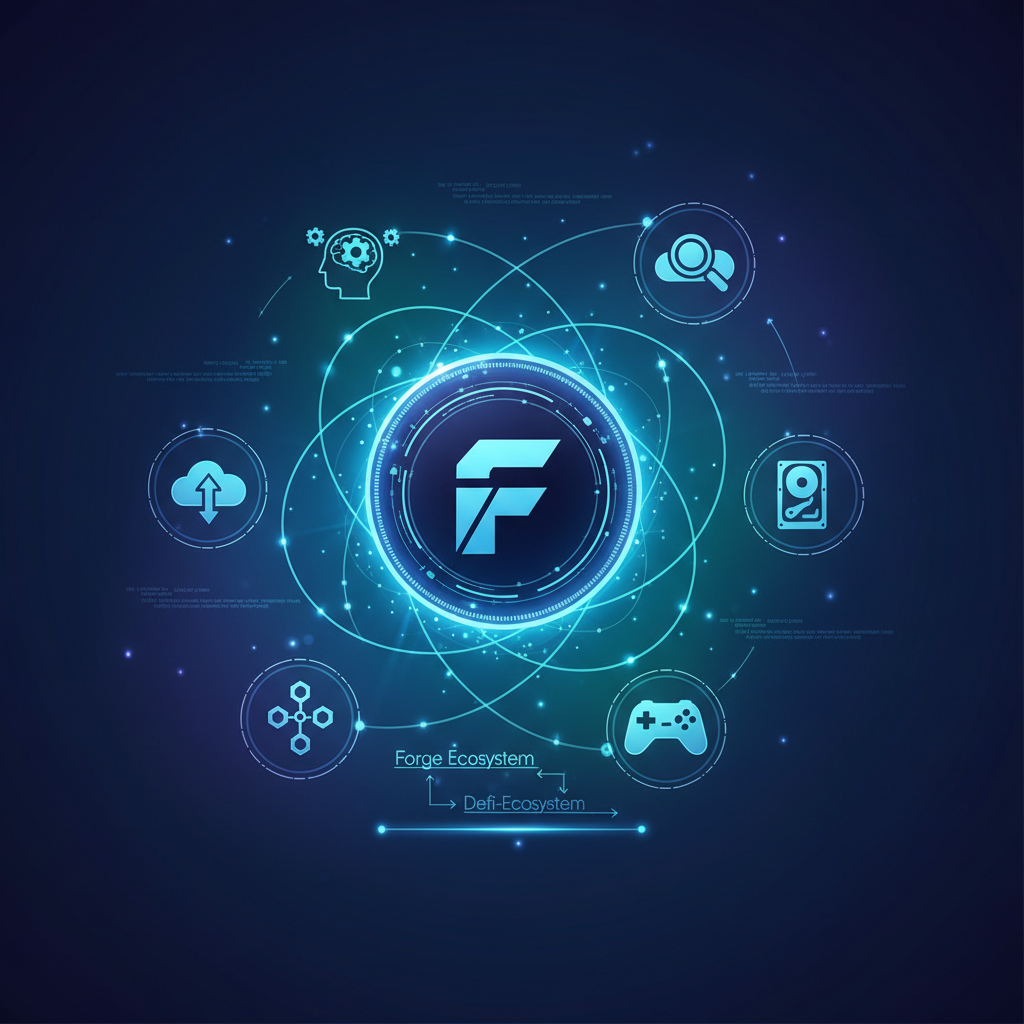
FECT is more than just a digital currency; it is the vital engine that powers an innovative ecosystem, bridging the gap between cutting-edge AI-assisted applications and the burgeoning world of decentralized finance (DeFi). Designed with precision and foresight, FECT offers unparalleled utility and a groundbreaking approach to digital ownership, especially for enthusiasts looking to immortalize their most cherished virtual experiences.
What Exactly is FECT?
FECT stands for the Forge Ecosystem Currency Token. It is a proprietary digital asset meticulously crafted to facilitate transactions and interactions within the expansive Forge Ecosystem and beyond. Built on robust blockchain technology, FECT ensures transparency, security, and efficiency in every transaction, embodying our commitment to an innovative and reliable digital infrastructure.
Powering the Forge Ecosystem: AI-Assisted Apps at Your Fingertips
The immediate utility of FECT lies within the Forge Ecosystem of AI-assisted applications. Imagine a suite of intelligent tools designed to enhance productivity, creativity, and daily operations. From advanced analytics and personalized content generation to sophisticated automation, our AI-driven applications are built to empower individuals and businesses alike.
With FECT, you gain seamless access to this powerful array of services. You can buy FECT in exchange for anything within the Forge Ecosystem u2013 whether it’s subscriptions, premium features, enhanced processing power, or exclusive content. FECT acts as the universal medium of exchange, simplifying transactions and fostering a unified experience across all our AI platforms. This integration ensures that every user can effortlessly tap into the full potential of our innovative applications, driving efficiency and unlocking new possibilities.
Beyond AI: FECT and the Future of NFT Storage in DeFi
The strategic value of FECT extends far beyond facilitating transactions within AI applications. We are pioneering a unique integration with the DeFi-Ecosystem, positioning FECT as your key to revolutionary digital asset management, particularly for non-fungible tokens (NFTs). This is where FECT truly distinguishes itself.
Leveraging FECT, you can exchange them for NFT storage in the DeFi-Ecosystem. This capability provides a secure, decentralized vault for your valuable digital assets. But we’re taking this a significant step further. Imagine not just saving and viewing your NFTs, but transforming your most memorable digital experiences into immutable, high-quality assets. Our vision allows you to:
Save and View Your NFTs: A secure, decentralized hub to store and display your digital collectibles with confidence.
Immortalize Game Memories: Uniquely, FECT facilitates the process to soon exchange and download your game memories as high-quality NFTs. Think of epic victories, rare in-game achievements, or sentimental moments captured forever on the blockchain, owned by you.
The FHPC Exchange System: This groundbreaking feature will be powered by our proprietary FHPC (Forge High-Performance Computing) exchange system. The FHPC system is engineered for speed, security, and integrity, ensuring that your valuable game memories are converted and managed with the utmost fidelity and ease.
This innovative approach transforms ephemeral digital experiences into permanent, verifiable assets, offering a new dimension of ownership and legacy in the digital age. Your accomplishments in the virtual world gain tangible, long-term value in the real world.
Why FECT is a Strategic Investment for Your Digital Future
FECT represents a forward-thinking solution for several key reasons:
Unified Ecosystem: It provides a single, robust currency for diverse AI applications and advanced DeFi services.
Empowered Ownership: FECT facilitates true ownership of digital assets, moving beyond simple licenses to verifiable, blockchain-backed possession.
Innovation at Core: With unique features like high-quality NFT game memory storage via the FHPC system, FECT is at the forefront of digital asset evolution.
Future-Proofing: Investing in FECT means investing in a resilient and expanding ecosystem designed for the future of digital interaction and value.
Join the FECT Revolution
The journey with FECT has just begun. We invite you to explore the vast potential it offers within the Forge Ecosystem and its groundbreaking role in the DeFi space for digital asset and memory preservation. Steven Parr Online is committed to building a decentralized future where your digital presence is not just experienced, but owned and valued.
Discover how FECT can revolutionize your digital interactions and secure your legacy in the metaverse. Learn more and acquire FECT today to step into a new era of digital ownership and innovation. ud83dude80
Unveiling the Future of Interactive Storytelling: Neuralink Nightmare Integrates Comic, AR, Hacking, and Forge Protocol NFTs
At Neuralink Nightmare, we are committed to pushing the boundaries of interactive entertainment. We are thrilled to announce a significant expansion that transforms our critically acclaimed narrative into a multifaceted, immersive experience. What began as a compelling comic series has now evolved into a comprehensive digital adventure, seamlessly weaving together augmented reality, strategic hacking challenges, and cutting-edge NFT integration via the Forge Protocol.
The Saga Unfolds: From Comic to Comprehensive Game
The core of the Neuralink Nightmare experience has always been its rich, dystopian narrative u2013 a future where technology’s grip tightens, challenging the very essence of humanity. The comic series lays the groundwork, introducing you to complex characters, intricate plots, and a world teetering on the brink. Now, this captivating story extends far beyond the pages, inviting you to step directly into its unfolding drama.
Immersive Engagement: The Augmented Reality Mini Game
Prepare to blur the lines between the digital and physical realms with our new Augmented Reality Mini Game. This innovative feature leverages your device to bring elements of the Neuralink Nightmare universe into your environment. Solve puzzles, uncover hidden clues, and interact with the game world in a completely new dimension, deepening your connection to the narrative and providing a unique layer of immersive gameplay.
Strategic Depths: The Hacking Adventure Side Quest
For those who thrive on intellectual challenges, the Hacking Adventure Side Quest offers a strategic new dimension. Delve into the intricate digital underbelly of the Neuralink Nightmare world, where every line of code holds a secret and every firewall presents a puzzle. Utilize your wits and problem-solving skills to navigate complex systems, bypass security protocols, and uncover vital information that directly impacts the game’s evolving storyline. This quest line is designed to challenge your strategic thinking and reward clever solutions.
Next-Gen Ownership: NFT Storage System via the Forge Protocol
In a pioneering move, we are integrating an NFT Storage System via the Forge Protocol directly into the Neuralink Nightmare game. This innovative feature allows players to securely manage and store unique in-game assets as NFTs, ensuring true digital ownership and verifiable provenance. The Forge Protocol provides a robust, decentralized framework, offering unparalleled security and transparency for your valuable digital collectibles. This integration represents our strategic vision for the future of gaming, empowering players with genuine ownership in their digital adventures. ud83dudd10u2728
A Unified Experience: More Than Just a Game
The integration of these diverse elements u2013 the foundational comic, the interactive AR mini game, the strategic hacking quests, and the secure NFT storage system u2013 transforms Neuralink Nightmare into a truly unparalleled interactive experience. Itu2019s a dynamic ecosystem where narrative depth meets technological innovation, offering multiple pathways to engage with a compelling world.
We invite you to explore this expanded universe, immerse yourself in its challenges, and become an integral part of the Neuralink Nightmare saga. The future of interactive storytelling is here, and it’s more engaging, strategic, and innovative than ever before.
The panic was palpable in 2024. “AI will take our jobs,” the headlines screamed. By 2026, the dust has settled, and a new reality has emerged. AI didn’t just take jobs; it evaporated entire career categories while simultaneously creating the most lucrative role in human history: The Orchestrator. Going from Zero to Hero in the 2026 job market isn’t about learning Python or graphic design—those are commodities. It’s about mastering the Symphony of Intelligence.
### The Skill Gap Has Flipped
For decades, “hard skills” (coding, accounting, data analysis) were the ticket to high wages. Today, AI agents perform these tasks faster, cheaper, and more accurately than any human. The value has shifted entirely to “soft skills” amplified by tech: strategic thinking, empathy, creative direction, and ethical judgment.
### The Orchestrator’s Toolkit
To become a Hero in the workforce today, you must view yourself not as a worker, but as a manager of a digital workforce. Here is how you reskill:
1. **Prompt Architecture vs. Prompt Engineering:** Prompt engineering was a 2023 fad. Prompt *Architecture* is the 2026 discipline of designing complex, multi-step workflows where output from one agent becomes the input for another. It requires a systems-thinking mindset.
2. **Human-in-the-Loop auditing:** Agents are powerful but can be sociopathic in their efficiency. The Orchestrator is the moral compass. Your value lies in your ability to spot when an agent is maximizing profit at the expense of brand reputation or ethics.
3. **Emotional Intelligence (EQ) for AI:** Strangely, getting the best out of advanced 2026 AI models requires high EQ. Understanding the “personality” of different models—when to be firm with a logic model or creative with an art model—is a distinct talent.
### The New Career Ladder
The entry-level job is dead. You start at the management level, managing bots. The “Zero” is the person who refuses to delegate to AI, drowning in manual tasks. The “Hero” is the individual who, with no prior technical background, uses natural language to command a legion of agents to execute a vision.
Your resume in 2026 shouldn’t list what you can do. It should list what you have built by leading machines. The future belongs to the conductors, not the violinists.
Get Ready to Earn: Steven Parr Online Unveils Our Exclusive Refer a Friend Program u2013 50 FREE FECT Await! ud83dude80
At Steven Parr Online, we are constantly striving to empower our community with innovative solutions and unparalleled value. We believe that true growth comes from shared success, and who better to share that success with than those you trust?
That’s why we’re thrilled to announce an exciting new initiative designed to reward your loyalty and expand our thriving network: a brand-new Refer a Friend program, launching soon! This strategic development is set to create win-win opportunities for both our existing members and new additions to the Steven Parr Online family.
Unlock Exclusive Rewards: Your Guide to 50 FREE FECT! ud83dudcb0
We’re putting the power to earn directly into your hands. Our upcoming Refer a Friend program is straightforward, generous, and designed to benefit everyone involved. Imagine unlocking valuable resources, services, or opportunities within the Steven Parr Online ecosystem, simply by introducing a friend to what we do best.
Hereu2019s the exciting part: when you refer a friend who joins our community and meets the program’s simple criteria, both you AND your friend will receive 50 FREE FECT! This isn’t just a bonus; it’s a strategic advantage for both new and existing members, designed to enhance your journey and maximize your potential with Steven Parr Online.
What is FECT and Why Does It Matter to You? u2728
FECT represents a cornerstone of value within the Steven Parr Online experience. While full details on how to leverage your FECT will be unveiled with the program’s official launch, rest assured that these valuable units will unlock access to premium content, exclusive tools, advanced features, or significant discounts across our offerings. Earning 50 FREE FECT is your direct pathway to enhancing your engagement and achieving more with us.
Prepare to Share, Prepare to Earn! ud83eudd1d
The Steven Parr Online Refer a Friend program is just around the corner, and we encourage you to start thinking about who in your professional or personal network could benefit most from our innovative solutions. This is an unparalleled opportunity to share success, empower others, and significantly boost your own standing within our community.
Stay tuned to our blog and social media channels for the official launch date and comprehensive program details. Weu2019ll provide everything you need to know to start referring and earning your FREE FECT!
We are incredibly excited about this new chapter and look forward to celebrating your referrals. Together, we can build a stronger, more connected, and more successful community.
Unlocking New Efficiencies: Prospect Forge Now Extends to Account Management
nn
At My Brand, our mission has always been to empower businesses with innovative tools that drive growth and operational excellence. We are thrilled to announce a significant enhancement to our flagship platform, Prospect Forge. What began as a revolutionary solution for prospecting and sales optimization now expands its robust capabilities to a critical new domain: your accounts.
nn
This strategic evolution marks a pivotal moment, transforming Prospect Forge into an even more comprehensive powerhouse designed to streamline your entire business ecosystem from initial lead generation to financial reconciliation.
nn
Addressing Modern Account Management Challenges
nn
Managing business accounts often presents a complex array of challenges. From meticulous invoicing and expense tracking to ensuring accurate financial reporting and optimizing cash flow, these tasks can be time-consuming and prone to errors. Traditional methods can create operational bottlenecks, diverting valuable resources and focus away from core strategic initiatives.
nn
My Brand recognizes the imperative for businesses to gain clearer financial visibility and greater control over their accounting processes. Our goal is to simplify these complexities, providing you with the clarity and efficiency needed to make informed decisions and accelerate growth.
nn
Prospect Forge: Your New Financial Operations Ally
nn
With this powerful update, Prospect Forge is no longer just about generating leads; it’s about nurturing your business’s financial health. Our new account management features are meticulously designed to integrate seamlessly into your existing workflows, offering a centralized hub for critical financial operations:
nn
n
Streamlined Invoicing & Billing: Automate your invoicing processes, track payments, and send reminders effortlessly, ensuring timely revenue collection.
n
Optimized Expense Tracking: Gain a granular view of your expenditures with easy categorization and real-time reporting, facilitating better budget management.
n
Enhanced Financial Reporting: Generate accurate, customizable reports that provide deep insights into your financial performance, aiding strategic planning and compliance.
n
Improved Cash Flow Management: Utilize predictive analytics to forecast cash flow, identify potential shortfalls, and optimize working capital.
n
Automated Reconciliation: Reduce manual effort and increase accuracy in reconciling transactions, saving valuable time and minimizing discrepancies.
n
nn
By centralizing your prospecting, sales, and now account management within Prospect Forge, you benefit from a unified platform that:
nn
n
Boosts Operational Efficiency: Minimize manual tasks and reduce the administrative burden on your team, freeing up time for strategic work.
n
Ensures Data Accuracy: Leverage automation to reduce human error, providing reliable data for critical decision-making.
n
Empowers Strategic Decision-Making: Access real-time financial insights to identify trends, opportunities, and areas for improvement with confidence.
n
Frees Up Valuable Resources: Redirect your team’s focus from routine administrative tasks to high-value strategic initiatives that drive growth.
n
nn
Experience the Future of Integrated Business Management
nn
This expansion of Prospect Forge’s capabilities is a testament to My Brand’s commitment to delivering comprehensive, innovative solutions that evolve with your business needs. We believe that by simplifying and centralizing critical operations, we can help you achieve unprecedented levels of efficiency and profitability. ud83dude80
nn
Ready to transform your account management? Discover how the enhanced Prospect Forge can revolutionize your financial operations and contribute to sustainable growth.